Roof Repair

Repair the failure point before it becomes a wider roof problem.

Roof repair is usually the right path when the roof still has useful life but a specific issue needs attention: broken materials, flashing transitions, punctures, isolated water entry, or storm-related damage.

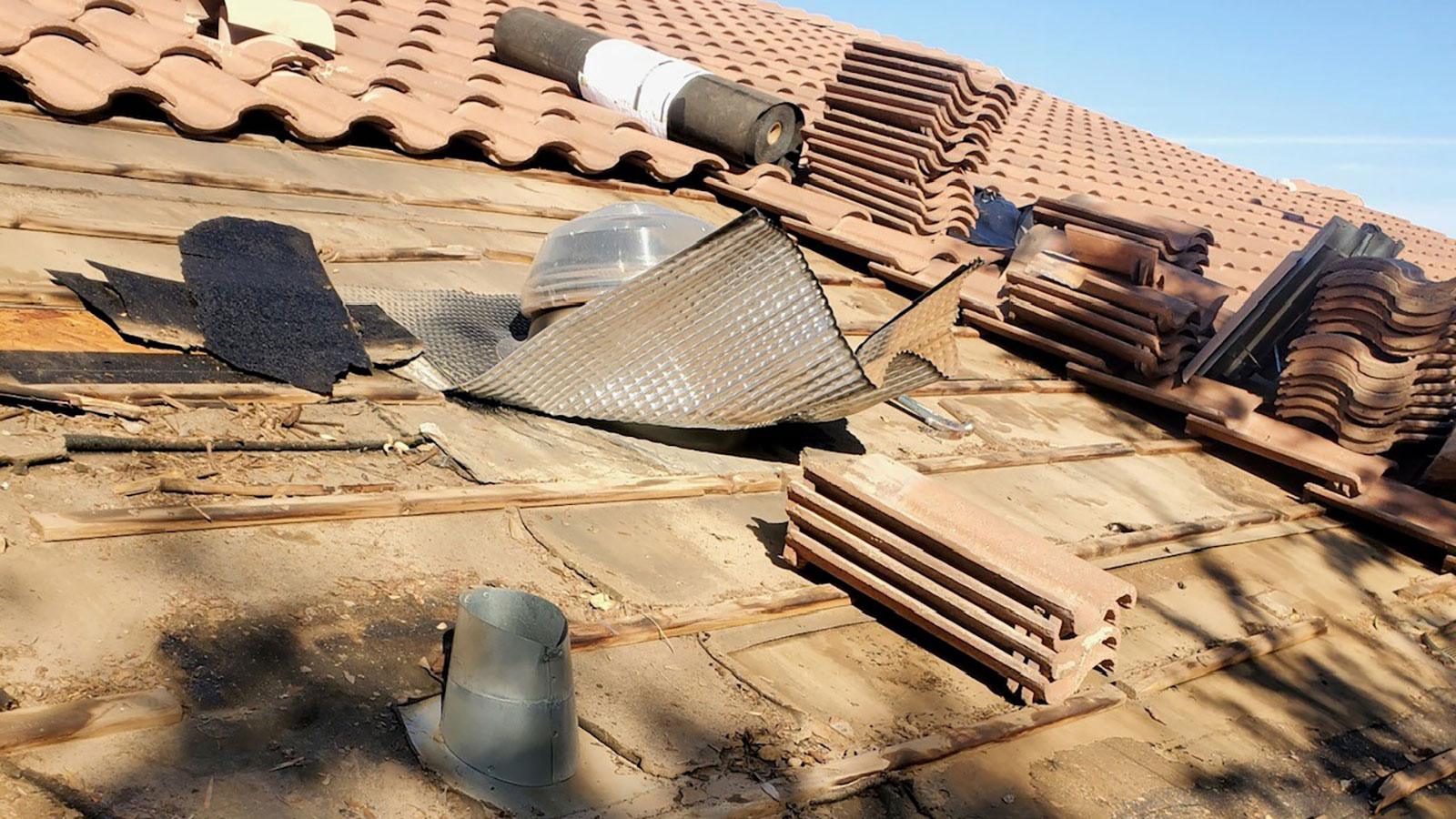
Roof leak repair work in progress
Common Repair Scopes

Problems that often justify a targeted repair.

  • Recurring leaks around penetrations or transitions
  • Broken or displaced tile after wind and storm events
  • Flashing failures at roof-to-wall and valley conditions
  • Punctures or surface damage on low-slope sections
  • Localized underlayment issues that have not spread across the full roof
When Repair Stops Making Sense

Some roofs are already past the point of efficient patching.

If leaks repeat in different locations, the field shows broad age, the underlayment is failing in multiple areas, or the roof has already been repaired many times, replacement becomes the more stable long-term decision.

See replacement guidance
What the Visit Should Clarify

A repair appointment should answer more than "where is the leak?"

A repair visit should separate true repair candidates from roofs that need a broader replacement plan.

Failure source

Identify whether the issue is a roof field problem, flashing transition, drainage issue, displaced material, or interior symptom from another source.

Repair size

Define whether the work is localized, sectional, or broad enough that repair costs start overlapping replacement logic.

Expected remaining life

Even a successful repair matters differently on a roof with years of useful life versus one already near the end of its cycle.

Next best step

Leave the client with either a repair scope, a phased strategy, or a recommendation to move into replacement planning.

Need a Repair Estimate?

Describe the leak history, material type, and location so the scope starts cleaner.

Include when the issue started, where it is showing up, and whether the roof has been repaired before.